

Get it on Amazon
I’ve been coaching professionally for about 12 years and average about 10 practices a week. That adds up to countless instances where behavioural issues of players call for some sort of intervention. (Not every day, but often!) Every time a coach suggests ‘baggin’ em, I hold strong and say, “that’s not how we choose to do it.” On the car ride home I ponder the benefits of authoritarian leadership and bag skating, and fortunately for my own sanity, always sleep easy knowing I prefer to find another solution. However I’ve always wanted some theoretical amo to back up my position. Now I call it positive discipline.
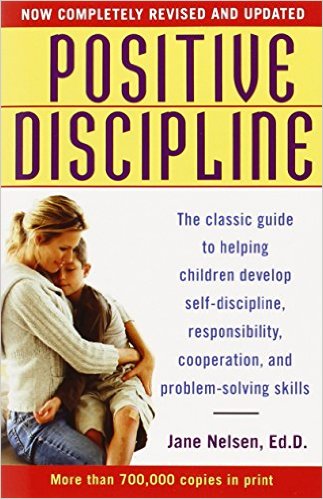
Last night I was lying in bed reading Positive Discipline
3 pages in, it was like Jane Nelsen hit me right between the eyes with a slapper. Here are my two takeaways I hope help you as parent, and coach.
The world discipline comes from the latin root disciplina, which means ‘teaching / learning.’ Positive discipline is about teaching, understanding, encouraging, and communicating – not about punishing.
Punishment, no matter what sort we use, is likely to produce the 4 R’s of Punishment: Resentment, Rebellion, Revenge, Retreat (through sneakiness and low self esteem).
Coaches who bark and punish make short term gains, often quite quickly. Over time, their voices get old, and the 4 R’s will set in. Be the coach you’d want yourself.
[button link=”http://www.amazon.ca/gp/product/0345487672?ie=UTF8&camp=15121&creativeASIN=0345487672&linkCode=xm2&tag=leslglobspor-20″ size=”medium” variation=”orange” bgColor=”#000000″ textColor=”#ffffff” align=”left” target=”blank”]Click to learn more about the book.[/button]
Never a fan of Bagging . Achieved more with a short “brisk” skate to get their attention followed by open discussion where I addressed the issue and had the athletes agree on both the cause and the solution.
I’m curious to know how you handle it rather than “baggin'” them? What non-punishment methods have worked best for you?
Hi Jeremy thanks for taking the time to read and think about the post. Number one thing I have learned from my mentors and my father who you know, is that a punishing coach and punishing philosophy only lasts so long. Often not very long. At that point the players lose faith and trust in the coach. So before you even come to that point the trust and accountability has to be built up by showing the players that you care and that you’re there for them not against them. With that then often comes a solid work ethic and behavior and very little need for a bag skate. Although I’m talking about you talkie I think the same thing can apply to all levels. That is not to say the odds skate in my professional days didn’t snap me out of a funk. But when we coach youth hockey we are coaching children. Imagine if a science teacher made kids do push-ups or laps around the track for performing poorly in a lab test. I often find one a drill or a practice is going very poorly that sometimes I have not explained the expectations well enough so bringing them in and reassessing the expectations then letting them try again often helps. If it is simple poor effort, letting them know that you are disappointed in their performance and show them that you are taking it personally and that they should too again often helps elevate a greater level of commitment. That is not to say the coach should be a pushover by any means the expectation should be very clearly set. The one carrot that you do have is their favorite thing which is ice time. Although all else being equal in other words strong effort every kid should play the same amount. However discipline and effort are two factors that should be considered when dividing ice time. Lazy and or undisciplined play do not have to be rewarded.
All this being said the bottom line is that much can be accomplished with setting the right atmosphere and trust and accountability between everyone before there is a need for disciplinary action. As Coach Dawn mentions in the other comment here, A quick 30 second skate showing you are unhappy with the level of concentration with older players can jog them into a better state of performance and open conversation about why and what the players need to do better without the need for a lengthy punishing skate will have better results.
My two cents!